Data Insights and Reporting: 637597573, 8557202559, 4194951654, 965219832, 3146651460, 39699184

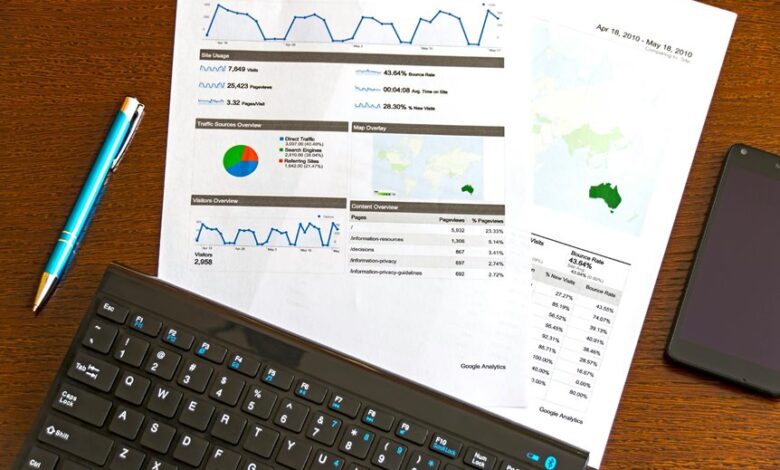
Data insights and reporting are essential for organizations aiming to transform raw numeric data into actionable strategies. By employing effective data collection techniques and utilizing advanced analytical tools, stakeholders can interpret complex datasets. This process not only enhances clarity but also ensures that reports are meaningful. Understanding how to leverage these insights can significantly influence strategic decision-making. However, the intricate relationship between data handling and ethical considerations remains a critical aspect to explore further.
Understanding Data Collection Techniques
Data collection techniques serve as the foundation for effective analysis and reporting. Utilizing qualitative methods and quantitative approaches, researchers can develop robust survey designs and employ observational techniques.
Ethical considerations in data ethics ensure respect for participant rights, while strategic sampling strategies enhance representativeness. These elements collectively foster comprehensive insights, enabling informed decision-making and promoting a sense of freedom in data-driven environments.
Tools for Data Analysis and Visualization
Effective analysis and visualization of information rely heavily on a diverse array of tools tailored to meet specific analytical needs.


These analysis tools enhance the ability to interpret complex datasets, facilitating clearer insights.
Data visualization techniques, such as charts and graphs, empower users to present information in an accessible manner, fostering a deeper understanding and enabling informed decision-making in various contexts.
Best Practices for Generating Reports
Generating insightful reports requires adherence to several best practices that enhance clarity and utility.
Effective report formatting ensures key information is presented logically, while audience tailoring allows the content to resonate with the specific needs of stakeholders.
This strategic approach not only improves comprehension but also empowers decision-makers, facilitating a more informed analysis of data insights.
Implementing these practices maximizes the report’s impact.
Leveraging Insights for Strategic Decision-Making
While organizations often collect vast amounts of data, the true value lies in their ability to transform these insights into actionable strategies.
An insight-driven strategy utilizes robust decision-making frameworks to guide leaders in making informed choices.
Conclusion
In conclusion, effective data insights and reporting are essential for organizations aiming to leverage raw data for strategic advantage. Utilizing robust data collection techniques and advanced analytical tools enhances the clarity and utility of reports. Notably, organizations that employ data-driven decision-making are 5-6% more productive than their counterparts. This statistic underscores the tangible benefits of integrating data insights into operational strategies, ultimately driving enhanced organizational success while adhering to ethical standards and rigorous sampling methods.