Tracking Data Performance: 67169003, 693112866, 219278000, 600308331, 18002513164, 862341781


Tracking data performance through specific identifiers, such as 67169003 and 693112866, enables organizations to evaluate their effectiveness systematically. By analyzing key performance metrics, patterns, and trends, organizations can pinpoint their strengths and weaknesses. This analytical approach not only enhances strategic decision-making but also supports continuous improvement. The implications of this data-driven strategy raise crucial questions about how organizations can leverage insights for future initiatives and growth. What might these insights reveal?
Understanding Key Performance Metrics
Key performance metrics serve as essential indicators of data performance, providing crucial insights into the effectiveness and efficiency of data-driven initiatives.
These key metrics, including conversion rates and user engagement, enable organizations to measure performance indicators accurately.
Analyzing Data Trends and Patterns
How do organizations effectively discern meaningful insights from their data?


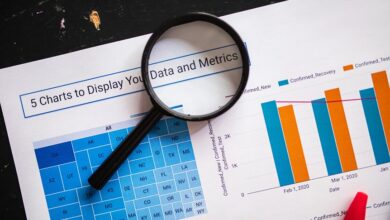
By employing data visualization techniques, they can elucidate complex information and reveal underlying trends.
Trend forecasting enhances this process, allowing businesses to anticipate future patterns based on historical data.
Together, these approaches empower organizations to make informed decisions, fostering a data-driven culture that values clarity and precision in understanding market dynamics.
Identifying Areas for Improvement
Effective data analysis not only uncovers trends but also highlights areas ripe for improvement within an organization.
By employing benchmark analysis, organizations can compare performance metrics against industry standards, identifying gaps in efficiency. This process aids in target optimization, allowing for focused strategies that enhance operational effectiveness.
Ultimately, recognizing these areas fosters a culture of continuous improvement and empowers organizations to reach their full potential.
Leveraging Insights for Strategic Growth
Organizations can transform raw data insights into strategic growth opportunities by systematically analyzing performance metrics and market trends.
By ensuring strategic alignment between data insights and business objectives, organizations can identify potential growth opportunities.
This analytical approach enables companies to make informed decisions, optimize resource allocation, and enhance competitive positioning, ultimately fostering sustainable growth and empowering stakeholders to pursue innovation and expansion.
Conclusion
In conclusion, the tracking of performance metrics serves as a compass guiding organizations through the landscape of their operational effectiveness. Each identifier represents a unique path, illuminating trends and revealing areas ripe for enhancement. By synthesizing these insights, organizations can forge a roadmap for strategic growth, ensuring they navigate toward their goals with clarity and purpose. Ultimately, this data-driven approach cultivates a culture of accountability, fostering continuous improvement akin to a river that carves its way through stone over time.