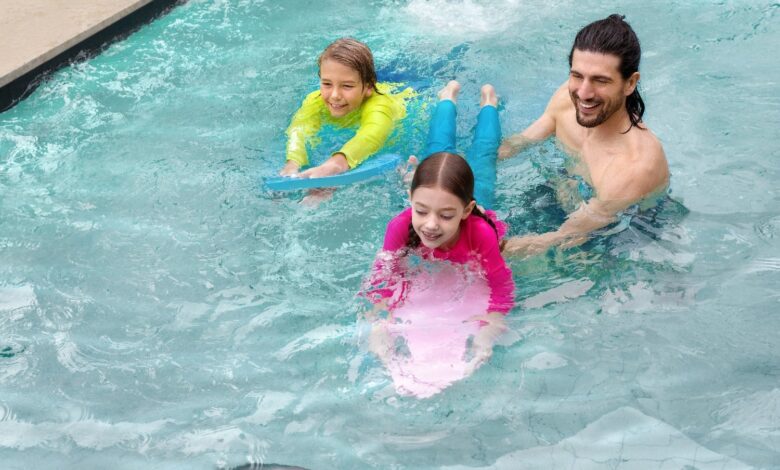
If you’re a serious swimmer, you know the frustration intimately. You push off the wall, find your rhythm, build momentum—and then it’s time to turn again. Short pools kill the flow of a real workout, breaking your stroke cadence and making sustained cardiovascular training nearly impossible. For years, the only solution was access to a full-length lap pool, something most homeowners simply don’t have space or budget to build. Enter the swim jet: a powerful current generator that transforms any pool into an endless swimming lane. This comprehensive guide is designed for fitness enthusiasts who refuse to compromise on their training. We’ll walk you through everything you need to know about selecting the right swim jet system, navigating the installation process, and maximizing your pool’s potential as a dedicated fitness station. Whether you’re training for competition, recovering from injury, or simply want a more effective daily workout, the information ahead will help you make a confident, informed decision.
What is a Swim Jet? The Engine for Your Pool Workout
A swim jet—sometimes called a swim current generator or counter-current system—is a specialized piece of swimming pool equipment engineered to produce a powerful, continuous stream of water against which you swim in place. Think of it as a treadmill for the water: you stay stationary while the current provides all the resistance you need for a full-body workout. The mechanism is straightforward but highly effective. A high-flow pump draws water from the pool, then forces it back through one or more precision-engineered nozzles mounted in the pool wall. This creates a broad, smooth current that mimics open-water swimming conditions. The critical performance metric to understand is flow rate, measured in gallons per minute (GPM). Flow rate determines how strong and wide the current is—higher GPM means a more powerful swim experience capable of challenging even elite athletes. It’s important not to confuse swim jets with standard return jets or decorative water features found in typical pools. Those produce narrow, turbulent streams meant for circulation or aesthetics, not sustained athletic resistance. A true swim jet delivers a laminar, evenly distributed current wide enough to keep your entire body centered in the swimming lane without fighting choppy, scattered water. For serious swimmers, this distinction is everything—it’s the difference between a genuine training tool and a pool accessory.
Unlocking Fitness Potential: How a Swim Jet Transforms Your Pool
For fitness-focused swimmers, a backyard pool without a swim jet is an underutilized asset. You might get a few strokes in before hitting the wall, but you’re not building endurance, refining technique, or pushing your cardiovascular limits the way continuous swimming demands. A swim jet fundamentally changes that equation. With a steady, adjustable current flowing against you, your eight-meter pool suddenly offers the same training potential as an Olympic-length lane. You swim continuously without interruption, maintaining stroke rhythm and breathing patterns for as long as your fitness allows. This makes structured workouts—threshold sets, tempo swims, and extended aerobic sessions—entirely possible at home.
Beyond straight lap swimming, the applications multiply quickly. Technique drills become more productive because the current provides instant feedback; a sloppy catch or misaligned body position immediately pushes you backward, reinforcing proper form in real time. Interval training is seamless—dial up the intensity for thirty-second sprints, then reduce flow for active recovery without ever touching a wall. For athletes recovering from joint injuries or surgery, the adjustable resistance offers a controlled rehabilitation environment where load can be precisely managed.


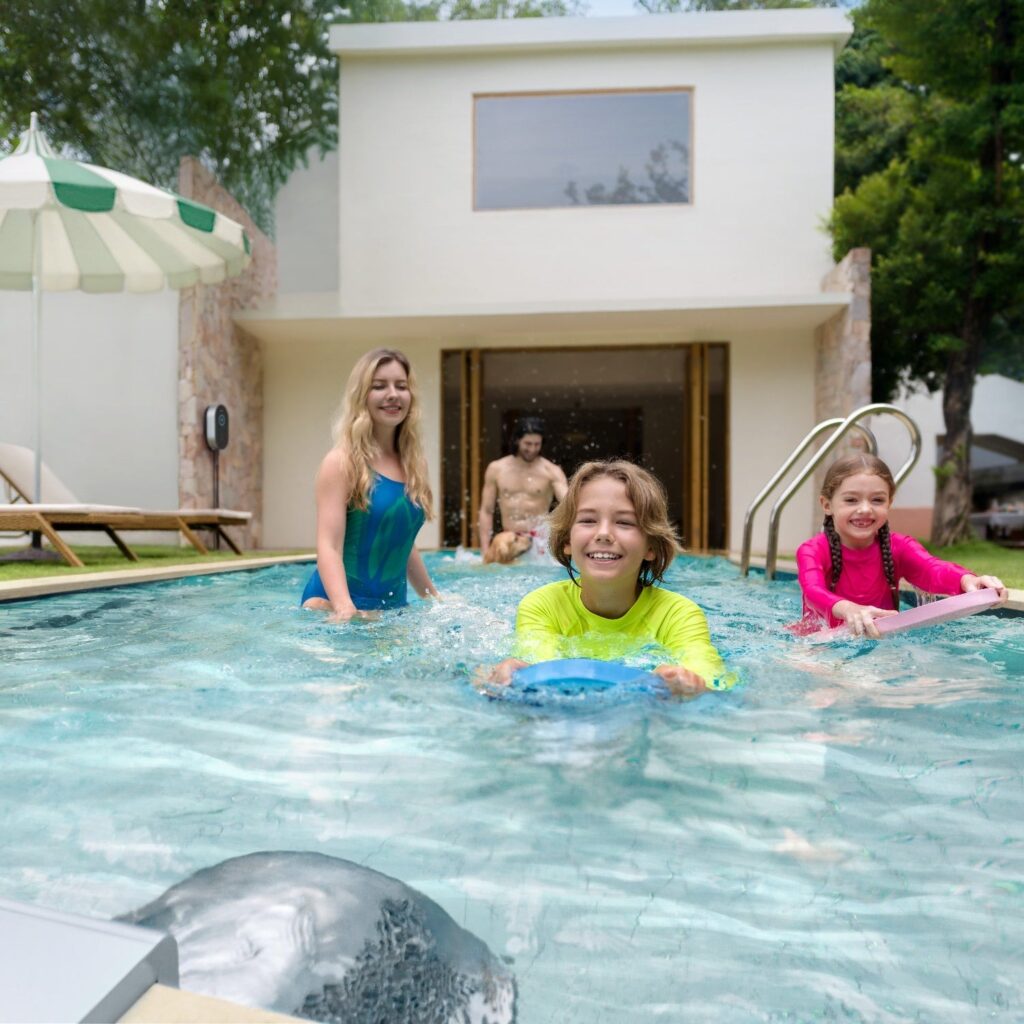
The versatility extends to the entire household. Aqua jogging against the current delivers a low-impact cardio session that rivals running. Kids can play in gentle resistance mode while adults train at competition speed during their own sessions. What was once a seasonal leisure feature becomes a year-round fitness station that justifies its footprint and investment every single day. A swim jet doesn’t just add a feature to your pool—it redefines what your pool is for.
Choosing the Right Swim Jet: A Buyer’s Guide for Discerning Swimmers
Understanding Flow Rate: Why 450 GPM Matters
Flow rate, measured in gallons per minute (GPM), is the single most important specification when evaluating a swim jet. It directly determines how strong, wide, and consistent the current will be—and ultimately whether the system can challenge you as a swimmer. Lower-flow units in the 200–300 GPM range work for casual swimmers and aquatic exercise, but they won’t sustain a competitive stroke at race pace. On the other end, extremely high-flow systems can overwhelm smaller pools with turbulence. A 450 GPM flow rate hits the sweet spot for serious fitness swimmers. At this output, the current is powerful enough to demand proper technique and sustained effort at threshold intensity, yet smooth enough to maintain laminar flow across your body. It accommodates a wide skill range too—paired with variable speed control, 450 GPM lets beginners train at a manageable fifty percent while giving advanced swimmers a genuinely demanding workout at full power. If your goal is competitive-level training at home, treat 450 GPM as your baseline.
Key Features Beyond the Flow Rate
Raw power means little without precise control. Variable speed adjustment is non-negotiable—look for systems offering smooth, incremental changes rather than fixed high-low settings, so you can fine-tune resistance for warm-ups, steady-state sets, and sprints. Nozzle adjustability matters equally; the ability to change the depth and angle of the current ensures the stream aligns with your stroke regardless of whether you’re swimming freestyle, breaststroke, or doing kicking drills. Remote or poolside digital controls let you adjust intensity mid-session without breaking your rhythm. On the practical side, evaluate construction materials—marine-grade stainless steel and UV-resistant housings withstand years of chemical exposure and sun. Energy efficiency deserves attention since high-flow pumps can draw significant power; modern inverter-driven motors reduce consumption substantially during lower-speed operation. Finally, consider noise levels. A quiet system means early-morning workouts won’t disturb the household, and your training environment stays focused and distraction-free.
Installation Demystified: Your Path to an Easy Setup
Pre-Installation Planning and Considerations
Before any hardware arrives, assess your pool’s readiness. Start with wall material—concrete and gunite pools accept retrofit installations most readily, while fiberglass and vinyl-liner pools require specialized mounting kits to prevent structural compromise. Measure your pool dimensions carefully; the jet nozzle should sit on the shorter wall with at least four meters of unobstructed swimming length ahead of it. Next, evaluate your electrical infrastructure. High-flow swim jet pumps typically require a dedicated 220-240V circuit with appropriate amperage, so consult a licensed electrician to confirm your panel can handle the additional load. Placement of the pump and motor matters too—position equipment within the manufacturer’s recommended distance from the pool to maintain optimal suction and minimize energy loss through long pipe runs. Finally, check local building codes and permit requirements before breaking ground. Many municipalities classify swim jet installation as a pool modification requiring inspection, and addressing this upfront prevents costly delays or forced rework later.
The Core Installation Process
The actual installation follows a logical sequence that experienced contractors can often complete in one to two days. First, the pool wall is core-drilled or cut to accept the jet housing and intake fitting—precision here ensures a watertight seal and proper current alignment. The housing is then set and sealed with hydraulic cement or a bonded flange system depending on wall type. Plumbing connects the intake port to the pump’s suction side and the pump’s discharge back to the jet nozzle, using rigid PVC sized to preserve flow volume without restriction. Electrical wiring runs from your dedicated breaker to the motor and control panel, with a ground-fault circuit interrupter installed for safety compliance. The control unit—whether poolside-mounted or wireless—is configured last, calibrated to the pump’s speed range. Manufacturers designing for easy installation use modular, pre-assembled components and detailed templates that reduce guesswork. Once filled and tested, you adjust nozzle angle and depth, verify flow at multiple speed settings, and your endless pool lane is operational.
Operation and Maintenance: Ensuring Peak Performance with Minimal Effort
One of the most appealing aspects of a quality swim jet system is how little ongoing attention it demands once properly installed. Daily operation is intuitive—power on the system, select your desired speed via the control panel or remote, and begin swimming. Most units reach full flow within seconds, and speed adjustments happen in real time without needing to stop or exit the pool. Many homeowners integrating their pools into broader smart home ecosystems—using platforms like iGarden to manage outdoor equipment alongside lighting, irrigation, and climate systems—find that swim jet controls fit naturally into their existing automation routines. When your session ends, simply power down. There’s no complex shutdown sequence or post-swim ritual required.
Keeping the system performing at its best requires a straightforward maintenance routine that takes minutes, not hours. Every two weeks, inspect the intake grate and nozzle face for debris accumulation—leaves, hair, or small objects can restrict flow and reduce current quality. Remove and rinse the intake filter monthly, or more frequently if your pool sits near trees or experiences heavy use. Check visible plumbing connections and the pump housing quarterly for signs of leaks, corrosion, or unusual vibration during operation. If you live in a climate where freezing temperatures occur, winterize the system by draining all water from the pump, plumbing lines, and jet housing before the first frost to prevent cracking. Once a year, schedule a professional service visit to inspect internal seals, verify motor performance, and confirm electrical connections remain tight and corrosion-free. Following this simple checklist keeps your swim jet running reliably season after season, ensuring that your focus stays on training rather than troubleshooting equipment issues.
Transform Your Pool Into a Purpose-Built Training Facility
A swim jet is more than a pool upgrade—it’s the bridge between owning a backyard pool and owning a legitimate training facility. By generating a powerful, adjustable current, it eliminates the constraints of limited pool length and opens the door to continuous lap swimming, targeted technique work, interval sessions, and low-impact rehabilitation, all from home. Choosing the right system comes down to understanding your performance needs, with a 450 GPM flow rate serving as the benchmark for serious fitness swimmers who demand a current strong and smooth enough to replicate open-water conditions. Installation, while involving some structural and electrical work, follows a logical process that experienced professionals can complete quickly—especially with modern modular designs built for straightforward setup. And once operational, the maintenance commitment is minimal: routine filter checks, seasonal inspections, and an annual service call keep the system performing reliably for years. If you’ve been settling for fragmented workouts in a short pool, the path forward is clear. Invest in a swim jet that matches your ambition, install it properly, and transform every swim session into purposeful, uninterrupted training that moves you closer to your goals.