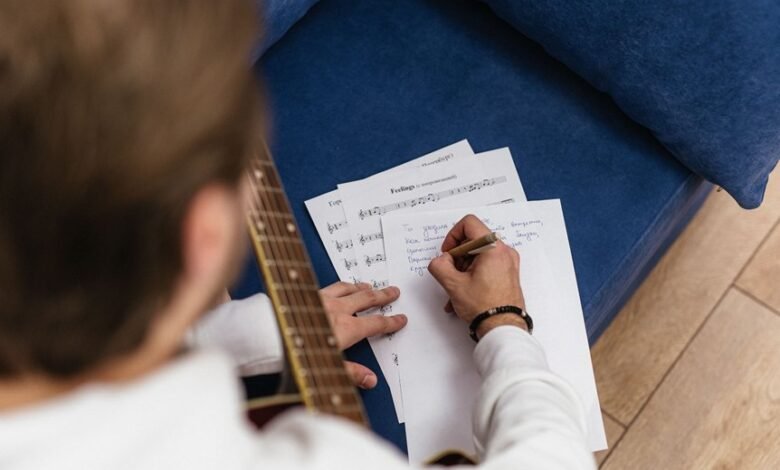
Hip hop songcraft blends a strong beat, clear verses, and a memorable hook to shape rhythm and message. Clean content hinges on precise lyrics, measured delivery, and selective sampling. Verses develop through cadence, internal rhymes, and varied flows, tested across tempos and accents. A practical path combines technique drills with performance checks, tightening diction and aligning rhythm with clean writing. The method invites disciplined steps that reveal how artistry stays sharp without compromising values, inviting curiosity about what comes next.
How Hip Hop Songs Are Built: Beat, Verse, and Hook
Hip hop songs are typically built from three core elements: the beat, the verse, and the hook. The composition relies on a deliberate beat structure that guides rhythm and mood, while verses deploy evolving rhyme schemes to convey narrative and emotion. The hook distills the message, ensuring recall; together they define music that champions rhythmic clarity and expressive resistance.
Spotting Clean Content: Lyrics, Delivery, and Clean Picks
In assessing clean content, the focus shifts from structure to substance: how lyrics, delivery, and selection come together to yield approachable, family-friendly hip hop.
The analysis notes clean lyrics as baseline, with podcast delivery shaping tone and accessibility.


Readers evaluate context, intent, and sampling choices, distinguishing provocative edge from thoughtful positivity, guiding confident, freedom-friendly listening without compromising artistic integrity.
Crafting Your Own Verses: Flow, Rhyme Schemes, and Confidence
Crafting Your Own Verses focuses on how a rapper builds cadence, internal rhyme, and presence. The segment outlines flow experimentation as a core tool, enabling speakers to test tempos and accents until phrases land with impact. It also highlights rhyme sequencing to structure momentum, create echoes, and anchor ideas. Confidence emerges through deliberate practice and measured risk, not mere spontaneity.
Practice Path: Step-by-Step Drill Plan for Clean Hip Hop Writing and Performance
A clear, repeatable drill path helps writers transition from theory to execution by breaking clean hip hop writing and performance into focused steps.
The practice plan emphasizes measurable milestones: tighten diction, align rhythm, and edit for clean writing.
Each module isolates technique, then tests it in performance, cultivating confidence, discipline, and freedom to express ideas clearly without filler or distraction.
Frequently Asked Questions
How Long Does It Take to Produce a Clean Hip Hop Verse?
How long depends on the artist and scope; production timing balances speed with polish. In clean vocabulary, it’s about precise slang handling, efficient editing, and thoughtful arrangement, respecting freedom while delivering cohesive, compelling verse within reasonable deadlines.
Can Clean Versions Still Convey Strong Messages?
Clean versions can still convey strong messages, though they rely on metaphor and craft. Allusion hints at unspoken truth; clean messaging, with creative censorship, emphasizes clarity, tone, and context, preserving impact while respecting boundaries and audience freedom.
What Are Common Mistakes Beginners Make in Clean Writing?
Common mistakes in clean writing include over-polishing tone, removing nuance, and neglecting audience voice; this hampers impact. Clean writing requires balancing clarity with authenticity, ensuring purpose and context remain intact, enabling readers seeking freedom to engage meaningfully.
How Do You Handle Slang in Clean Compositions?
Handling slang in clean compositions requires selective use, translation offline, and restraint; the writer preserves meaning while maintaining readability. It balances authenticity with audience expectations, ensuring inclusive, precise language that respects intent and freedom within disciplined, contextual boundaries.
Are There Genre-Specific Tips for Clean Hip Hop?
Genre-specific tips for clean hip hop emphasize mindful language, concise cadence, and thematic clarity; clean writing balances artistry with accessibility, ensuring message remains authentic while avoiding explicit content, enabling broader audiences to hear intent without distraction or constraint.
Conclusion
In the end, clean hip hop emerges not as a restraint but as a refined instrument for truth. The guide demonstrates how cadence, intention, and polish fuse to elevate message without compromising artistry. By treating beat, verse, and hook as a single arc, artists can propel confidence and clarity in equal measure. Like a well-tuned engine, disciplined practice turns rough drafts into resonant delivery, inviting listeners to hear meaning beneath the rhythm—an invitation that hooks, again and again. Metaphorically, rhythm becomes resonance.