Network & Technical Scan – сфк4юсщь, екфулещкшф, здщедн, Dazeeha Xotros Boxer, Photoacompn

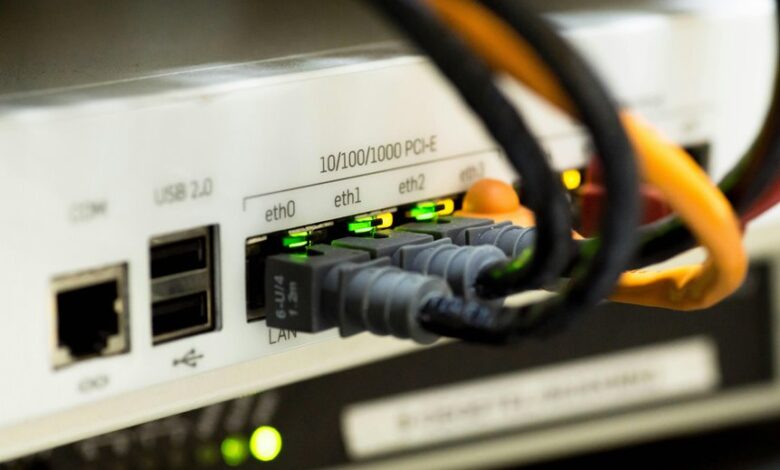
The Network & Technical Scan maps unclear terms—sфк4юсщь, екфулещкшф, здщедн— alongside entities like Dazeeha Xotros Boxer and Photoacompn, highlighting evolving nomenclature in interoperable ecosystems. It notes how these concepts interlink with edge processing, dynamic data flows, and adaptive security, while exposing privacy, governance, and interoperability tensions. The assessment points to expanded attack surfaces and latency tradeoffs, suggesting careful evaluation, structured adoption, and cross-domain collaboration to manage risk and opportunity. The implications warrant ongoing scrutiny as networks evolve.
What сфк4юсщь, екфулещкшф, здщедн, Dazeeha Xotros Boxer, and Photoacompn Are (Explainer)
What сфк4юсщь, екфулещкшф, здщедн, Dazeeha Xotros Boxer, and Photoacompn are remains unclear from the name alone, but these terms appear to reference a mix of entities that may include a topic, a colloquial label, and a proper noun. The analysis identifies sfk4yussh and ekfuleshksh as provisional identifiers guiding further clarification and contextual framing.
How These Technologies Interconnect and Impact Networks and Devices
How do these technologies interconnect and reshape both networks and devices by enabling more dynamic data flows, edge processing, and adaptive security? They bind systems through standardized interfaces, enabling modular architectures while recalibrating latency, throughput, and resilience.
Privacy concerns emerge as data traverses diverse nodes; interoperability challenges persist across platforms, complicating governance and unified policy enforcement within increasingly distributed, heterogeneous environments.


Practical Implications: Security, Performance, and Innovation in Real-World Use
The practical implications of these technologies manifest in security, performance, and innovation as interconnected systems migrate from centralized to distributed models. Real-world deployments expose security risks through expanded attack surfaces and governance gaps, while performance tradeoffs emerge between latency, fault tolerance, and scalability. Vigilant evaluation reveals that thoughtful design, monitoring, and collaboration sustain resilient innovation without compromising user autonomy or trust.
How to Evaluate and Adopt These Trends: a Decision Framework for Teams
A structured decision framework enables teams to assess emerging trends methodically, balancing risk, cost, and strategic value. The approach emphasizes privacy governance and risk management, translating insights into actionable criteria and milestones.
Frequently Asked Questions
What Is the Project Timeline for Implementing These Technologies?
The project timeline for implementing these technologies is defined by timeline milestones and interoperability standards, detailing phased deliverables, reviews, and risk mitigations. Analysts emphasize meticulous scheduling, vigilance, and freedom-driven oversight to ensure adaptive, transparent progress.
Which Vendors Offer Interoperable Solutions Today?
Several vendors offer interoperable solutions today, though vendor interoperability varies by ecosystem and market segment; analysts note that solution compatibility hinges on open standards, API accessibility, and consistent data models, supporting modular, freedom-minded deployment strategies.
How Do These Trends Affect Regulatory Compliance Requirements?
Regulatory compliance tightens as interoperability expands; however, Irrelevant topics and External stakeholders sometimes distract from core safeguards. Nonessential metrics risk overemphasis, while Aesthetic considerations should be deprioritized to preserve rigorous, auditable, freedom-supporting governance.
What Are Common Hidden Costs in Deployment?
Common hidden deployment costs include unnoticed personnel hours, ongoing licensing, and integration friction. Analytical evaluation highlights disaster recovery and change management as pivotal, ensuring vigilance, adaptability, and freedom to address hidden risks before they erode project value.
How Can Teams Measure ROI During Pilots?
ROI during pilots can be measured via predefined metrics, control groups, and phased rollouts, while interoperability for pilots ensures data compatibility and aligned workflows; the approach remains analytical, meticulous, and vigilant, supporting teams seeking freedom through transparent evaluation.
Conclusion
In sum, сфк4юсщь, екфулещкшф, здщедн, Dazeeha Xotros Boxer, and Photoacompn illuminate a frontier where terminology trails innovation, and networks must bend without breaking. Interoperability, edge processing, and adaptive security create a delicate balance between latency, privacy, and governance. As ecosystems intertwine, risk surfaces expand and evaluation becomes ongoing rather than episodic. The verdict: deliberate design, rigorous metrics, and principled collaboration—a compass guiding steady progress through a maze of evolving labels. Like a lighthouse amid shifting tides.